
On this page
Shipping a second language feels like a win until Search Console fills with “Incorrect return tags” and Google keeps serving English to shoppers in Germany. Multilingual SEO is less about translating strings and more about giving each market a stable URL, a clear language or locale signal, and content that matches what people there actually buy.
This guide covers URL structure choices, how hreflang works (including reciprocity and x-default), language versus locale, translation versus localization, common failure modes, crawl budget, CMS traps, a worked scenario, and a ship checklist.
Pick a URL structure before you annotate anything
Hreflang only points at URLs. If those URLs are messy, parameter-based, or half-migrated, annotations cannot save the project. Google’s guidance on managing multi-regional and multilingual sites lays out the usual patterns. You pick one primary pattern and stick to it.
| Pattern | Example | Strength | Cost |
|---|---|---|---|
| ccTLD | example.de, example.fr |
Strong country signal, local trust | Separate sites, more ops, link equity split |
| Subdomain | de.example.com |
Clear separation, flexible hosting | Weaker country signal than a ccTLD |
| Subdirectory | example.com/de/ |
One domain, shared authority, simpler CMS | Country signal relies more on content and hreflang |
Subdirectories win for most product and content sites that are still building authority on one brand domain. ccTLDs make sense when legal entities, pricing, or compliance truly differ by country and you can staff each site. Subdomains sit in the middle when you need separate stacks (for example a China-facing origin) without buying every TLD.
Avoid language as a query string (?lang=de). Those URLs are easy to duplicate, hard to share, and awkward for analytics. Google can still understand them when annotated correctly, but operators who live with parameter locales usually regret it when filters and campaigns collide.
Document the chosen pattern in one place your engineers and translators both read. Changing from /de/ to de.example.com later means a full redirect map and hreflang rewrite. That migration tax is why the URL decision belongs before the first translated page ships.
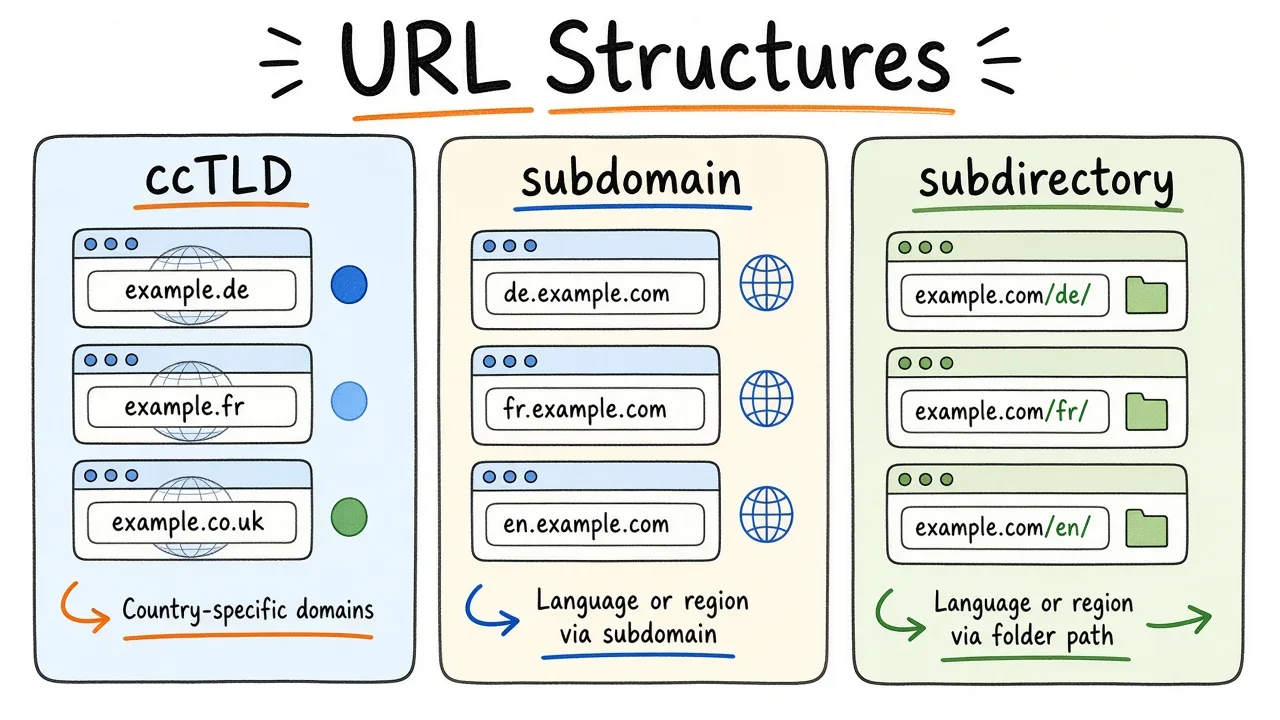
Figure 1: Side-by-side ccTLD, subdomain, and subdirectory layouts for the same brand.
How hreflang actually works
Hreflang tells Google which URL is the intended version for a given language or language-region combination. It does not create rankings by itself. It helps Google choose the right alternate when several near-matching pages exist, so German users are more likely to see the German URL when that URL is a valid alternate of the English one.
You can declare alternates in three ways Google documents:
- HTML
<link rel="alternate" hreflang="..." href="...">in the page<head> - HTTP headers for non-HTML files (PDFs and similar)
- XML sitemap annotations for large catalogs
Most marketing sites use HTML tags or sitemap entries. Large ecommerce catalogs often prefer sitemaps so templates stay thin. Pick one primary method for a given URL set and keep it consistent. Mixing partial HTML and partial sitemap annotations for the same page set is a common source of drift.
Codes follow BCP 47 style values Google accepts: a language code such as en or de, optionally with a region such as en-GB or pt-BR. Use ISO 639-1 language codes and, when you need a region, ISO 3166-1 Alpha 2 country codes. Do not invent shorthand like uk for English in the United Kingdom (en-GB is the usual choice). Do not use region-only codes.
Every page in a set should list every alternate, including a self-referencing entry for itself. If https://example.com/pricing/ is English and https://example.com/de/pricing/ is German, both pages (or their sitemap rows) need en and de entries that point at the final, indexable URLs.
Reciprocal confirmation between alternates
Google’s localized-versions documentation is explicit that annotations must be confirmed from the other side. If page A points to page B as de, page B must point back to page A as en (or whatever A’s language is). One-way links are ignored for that relationship.
Reciprocity fails quietly when a CMS generates tags only on the “primary” locale, when a translator publishes a new language without updating the old pages, or when a CDN caches an old head while the live page moved. Search Console’s International Targeting / hreflang reports (where available for your property) and a crawl that extracts link[rel=alternate][hreflang] both catch this faster than eyeballing HTML.
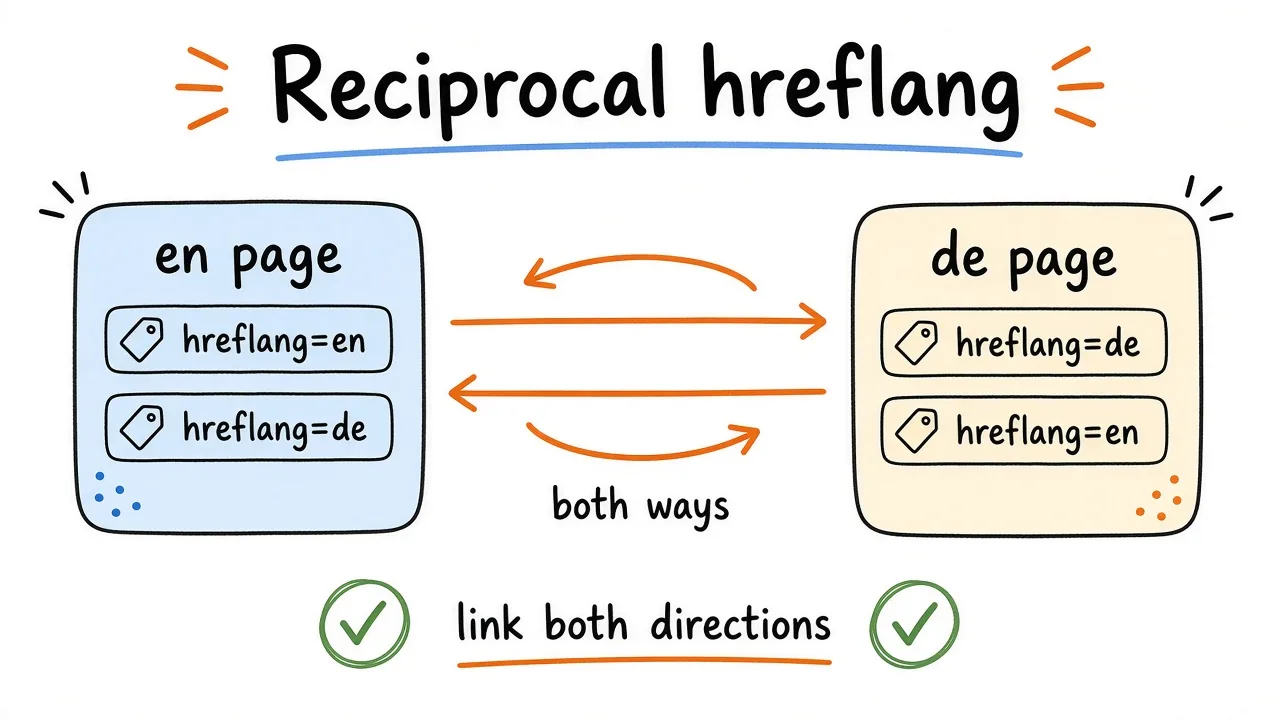
Figure 2: Each alternate must point back. A one-way arrow does not count as a confirmed pair.
x-default and the unmatched visitor
x-default marks the URL you want when none of the other hreflang values match the user’s language or region settings. Google describes it in the same localized versions documentation as the fallback for unmatched languages.
Typical uses:
- A language chooser or global gateway page
- Your primary English (or other hub) URL when you do not run a separate chooser
- A carefully chosen “rest of world” storefront
x-default is not “the page for people who speak English.” English still needs its own hreflang="en" (or en-US, en-GB, and so on). x-default can point at the same URL as en when that is honest. It can also point at a chooser that is indexable and useful. What it should not do is point at a soft 404, a geo-IP redirect interstitial that never settles, or a random blog post.
If you auto-redirect by IP before the user (or Googlebot) can see a stable URL, you fight both usability and crawling. Google’s multi-regional guidance cautions against relying on IP alone to show content. Prefer a stable URL per locale plus a visible language switcher, and let hreflang do the matching work.
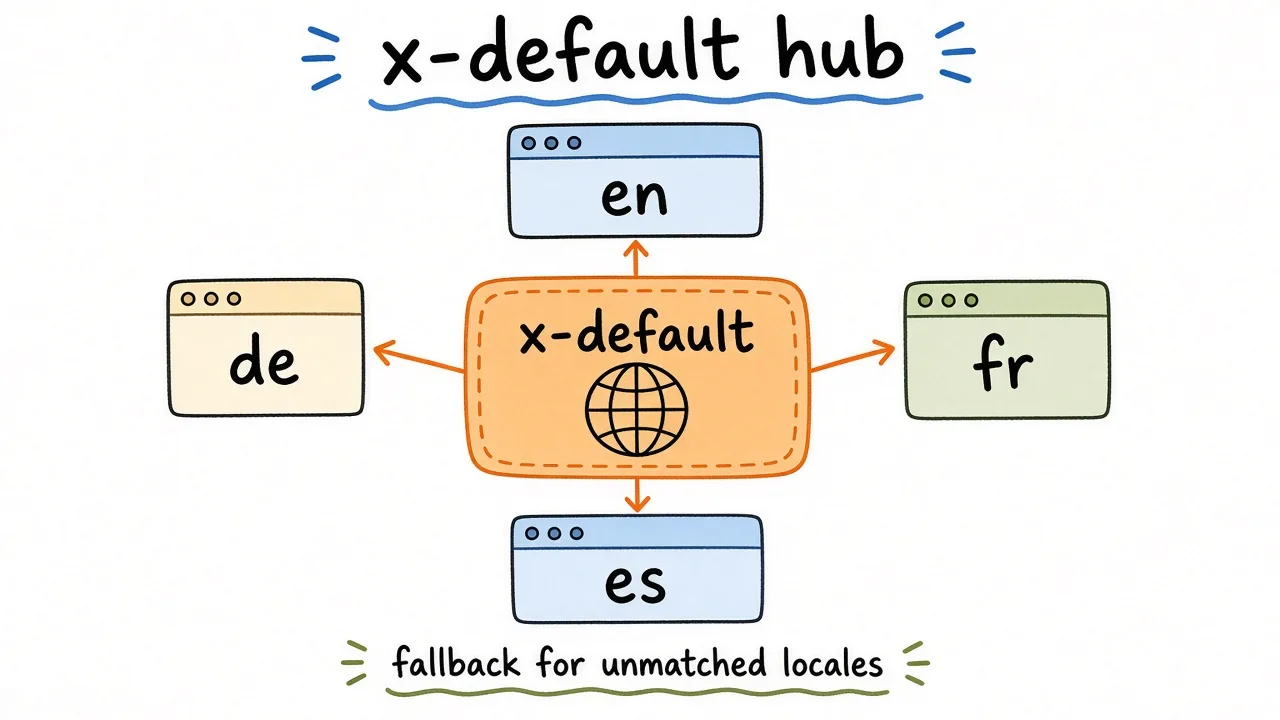
Figure 3: x-default catches visitors whose language is outside the annotated set.
Language codes versus locale codes
de means German, regardless of country. de-DE means German as used in Germany. de-AT means German as used in Austria. Those are different intents when currency, shipping, legal copy, or spelling diverge.
Use language-only codes when one URL honestly serves all speakers of that language. Use language-region codes when the pages differ by market even if the language string looks the same. A single English page for global readers is often en plus x-default. Separate UK and US storefronts with different prices and spelling are usually en-GB and en-US, each with its own URL.
Do not create en-US and en-GB duplicates that differ only by a flag icon and a CDN edge. Hreflang cannot invent a meaningful difference. If the pages are near-identical, consolidate or localize properly.
Script and regional Chinese need care. Simplified Chinese for mainland audiences and Traditional Chinese for Taiwan or Hong Kong are different reading experiences. Prefer distinct URLs and precise codes (zh-Hans, zh-Hant, or region forms your stack supports consistently) rather than one zh page that mixes scripts. Whatever you choose, keep the same code family across HTML, sitemaps, and the language switcher.
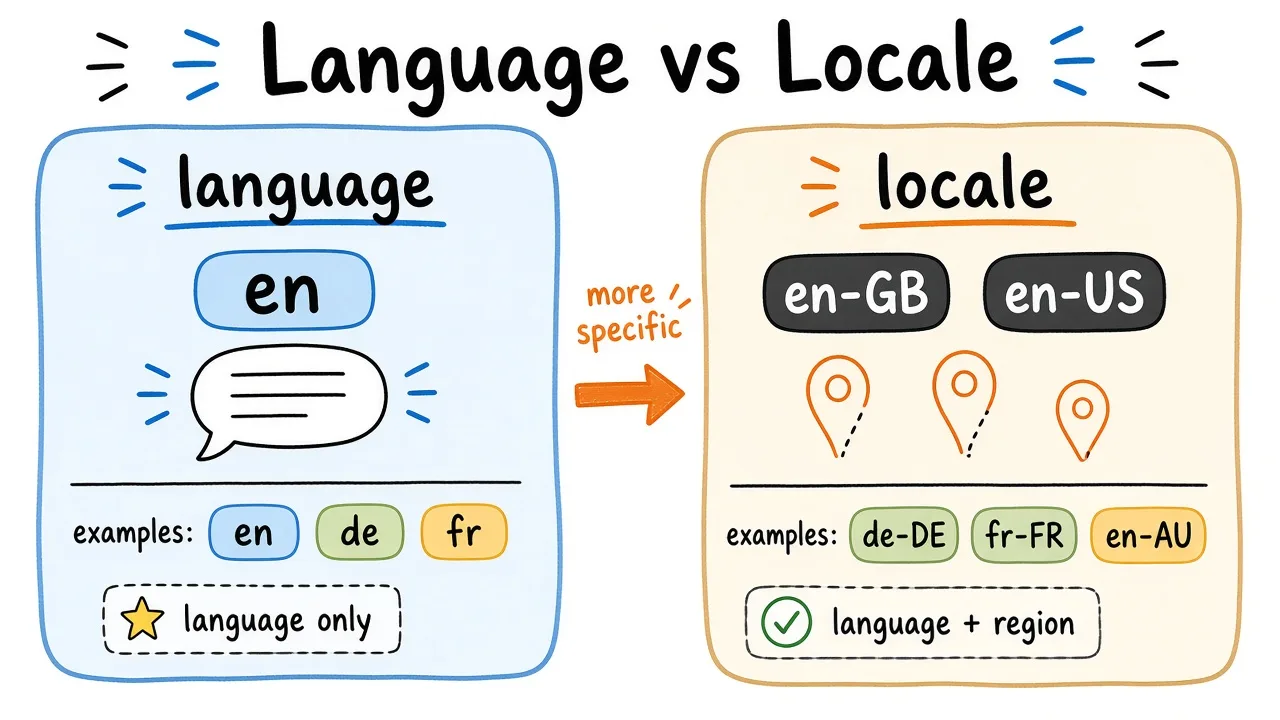
Figure 4: Language codes cover speakers broadly. Locale codes pin a market when content actually differs.
Where translation stops and localization starts
Machine or human translation that swaps words while leaving USD, US shipping matrixes, US case studies, and US legal footers in place will underperform even if hreflang is perfect. Localization changes the commercial surface. Currency, tax display, payment methods, support hours, trust signals, examples, and regulatory text all need a market pass.
For SEO specifically, localization also includes:
- Titles and meta descriptions written for how people search in that language, rather than a calque of the English keyword
- Internal links that stay inside the same-language hub whenever an equivalent exists
- Images and screenshots with local UI or captions where it matters
- Skipping thin “coming soon” locale shells that still get annotated as full alternates
If a market is not ready, leave it out of hreflang until the page is genuinely equivalent. Annotating a placeholder as fr teaches Google that the French alternate is weak.
Best practice: Ship fewer locales that are commercially complete before you spray ten half-translated folders across the sitemap.
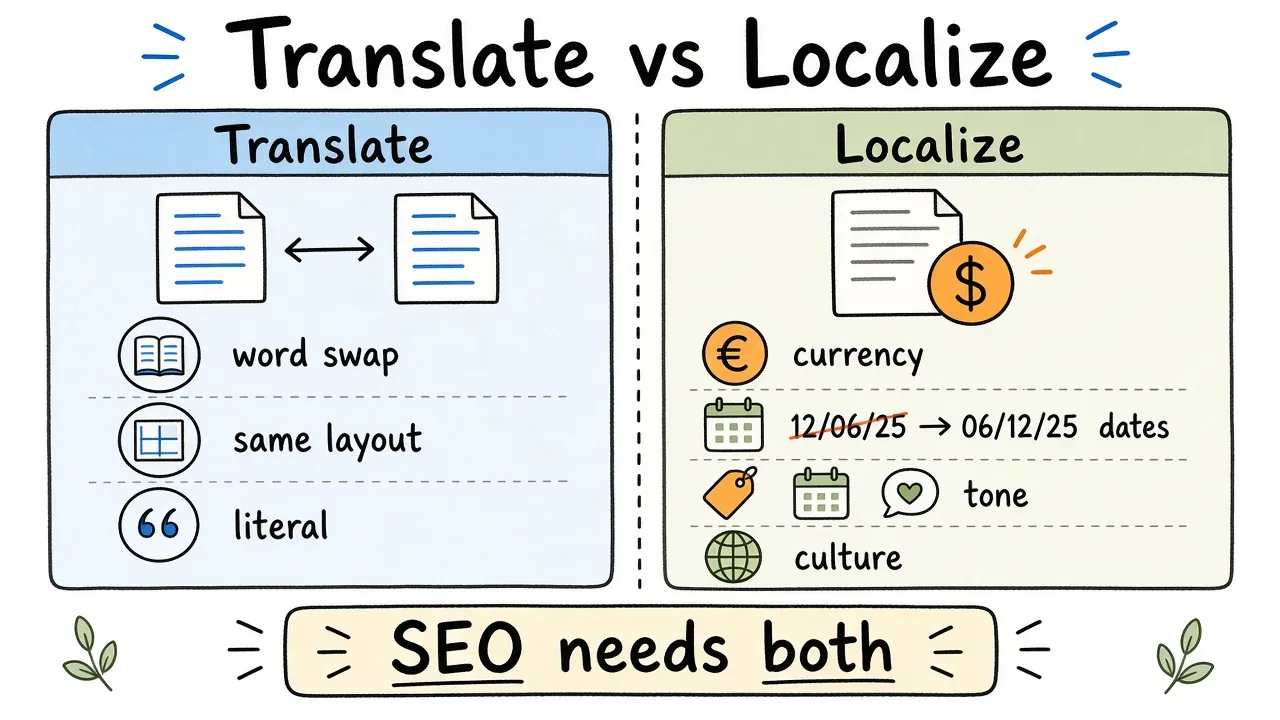
Figure 5: Beyond word swap. Currency, proof points, and legal surfaces get a market pass too.
Common hreflang and international SEO failures
These show up in almost every multilingual crawl review.
Broken reciprocity. New locales launch with tags that list the old languages, but the old languages never get updated. Fix with a single source of truth (build step or CMS field) that regenerates the full alternate set on every locale.
Wrong codes. eng, uk, zh-CN mixed with zh-Hans inconsistently, or region codes where language was intended. Validate against the code list you standardized in the URL doc.
Annotating non-canonical or non-indexable URLs. Hreflang must point at the final preferred URL. If the German page canonicalizes to English, or returns noindex, the alternate set is lying. Fix canonical and indexation first.
HTTP and HTTPS mixes, or www and non-www mixes. Every href in the alternate set should use the same host and protocol you chose as canonical.
Partial coverage. Only the homepage has hreflang while product templates do not. Or only the sitemap has entries while HTML contradicts them. Cover the templates that earn traffic, end to end.
Language switchers that create parameter duplicates. A switcher that adds ?currency=EUR on top of /de/ without canonical discipline multiplies near-duplicates and wastes crawl.
Auto-redirect loops. Detect language, 302 to another folder, then another rule sends the bot elsewhere. Give Googlebot a 200 on a stable locale URL.
Warning: Hreflang errors rarely throw a visible on-page bug. Users may still browse while Google ignores the alternate map. Treat Search Console and crawl diffs as the monitoring surface.
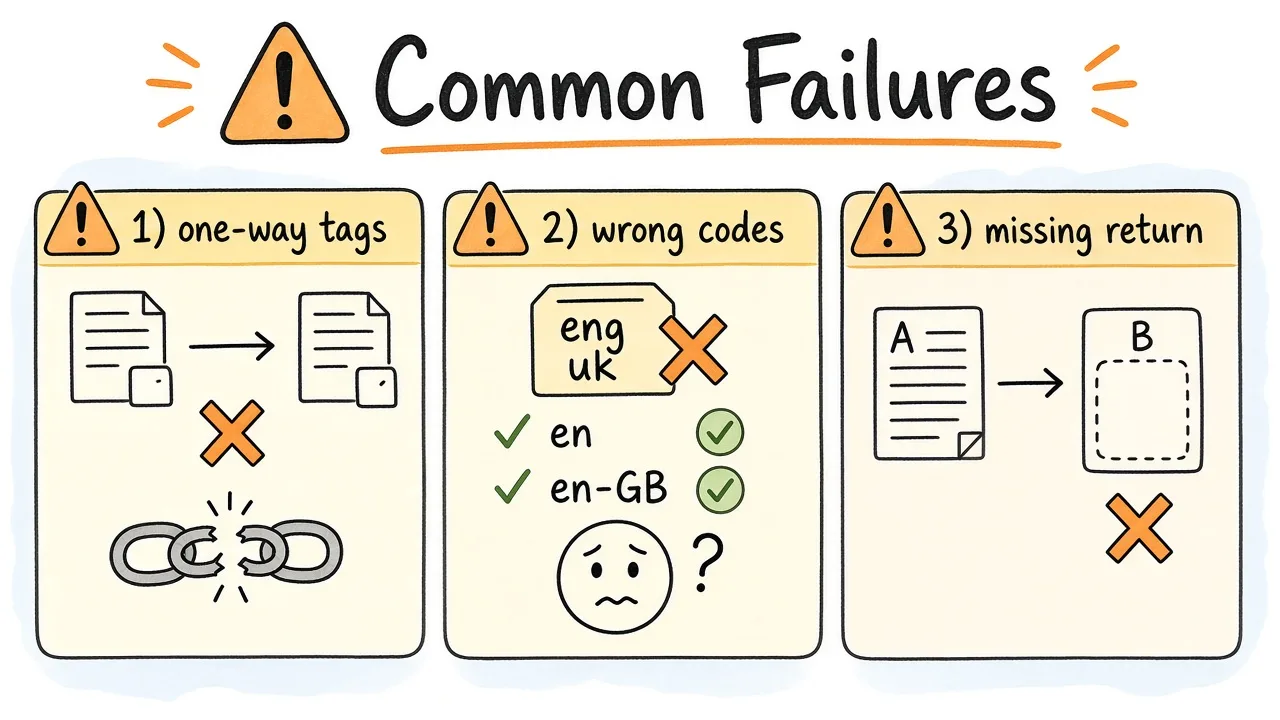
Figure 6: The usual breakages are reciprocity, codes, indexability, and host inconsistency.
Crawl budget on multilingual sites
Every new locale multiplies URL count. That can be fine when pages are unique and linked. It hurts when you clone thin templates, faceted filters in every language, and tag archives that nobody wanted translated.
Crawl budget is not a mystic score. In practice you care whether Googlebot spends time on money URLs or on junk. Multilingual junk looks like:
- Translated filter combinations that create thousands of near-empty listings
- Paginated archives of thin posts in every language
- Staging or preview locales left linked from the footer
- Alternates that 404 or soft-404 after a CMS publish failure
Consolidate or noindex the low-value surfaces in each locale the same way you would in a monolingual audit. Keep sitemaps limited to canonical, 200, indexable URLs that belong in the alternate map. When you add a language, add only the templates you can maintain.
Internal links should prefer same-locale paths. A German article that only links to English category hubs forces extra hops and dilutes the language cluster.
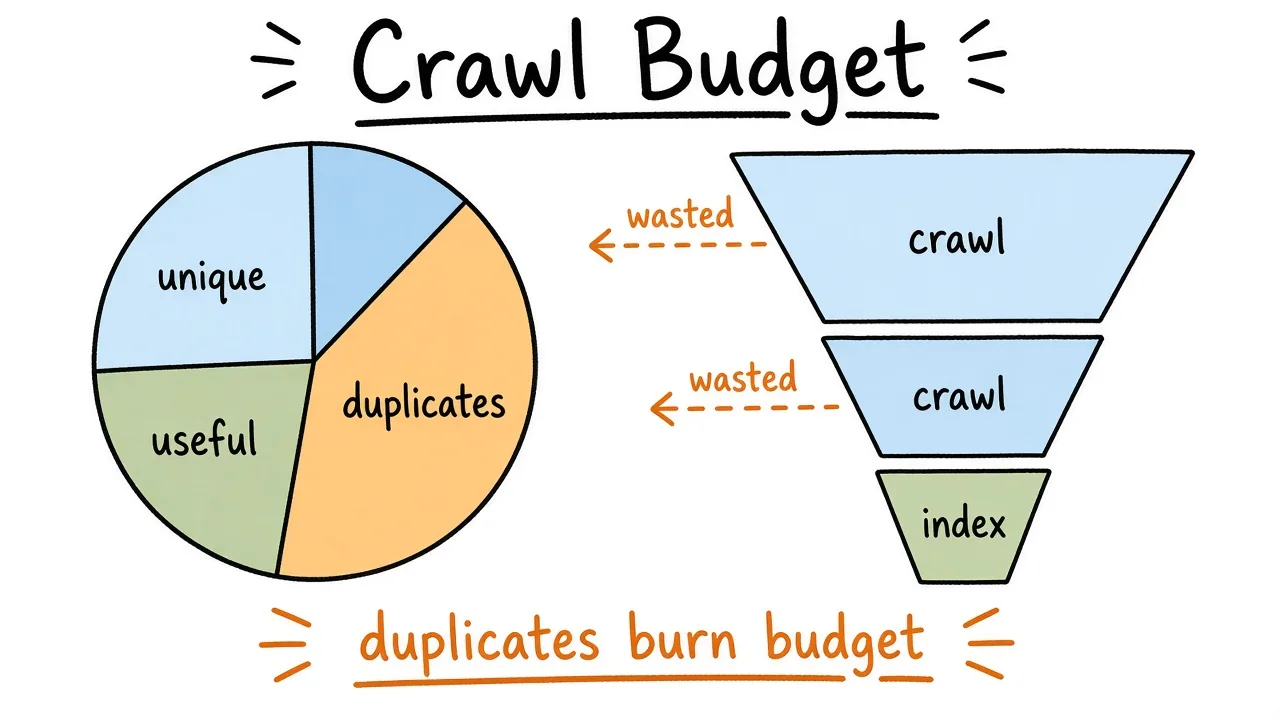
Figure 7: More languages mean more URLs. Prefer crawl on commercial templates over translated filter noise.
CMS and plugin pitfalls
WordPress, Shopify, Webflow, custom Next.js apps, and enterprise CMSs all grow hreflang bugs differently. The pattern underneath is the same: the system that renders the page is not the only system that thinks it owns alternates.
Watch for:
- Two plugins both printing
link rel="alternate"and disagreeing - A headless CMS that stores locale slugs while the front end rewrites paths differently in production
- Sitemap plugins that list every locale while HTML tags list a subset
- “Hreflang” modules that omit self-references
- Copy-to-new-locale workflows that clone
noindexor staging canonicals - CDN or reverse-proxy layers that serve different HTML to bots than to users (rare when intentional, messy when accidental)
For website internationalization work, treat hreflang as a release checklist item you revalidate on every major change. Especially on WordPress multilingual stacks, verify the live HTML of a money page in each locale after every major plugin or theme update.
If you generate tags in the app, add a CI check or crawl assert that counts expected alternates per template. Manual spot checks miss the tenth language.
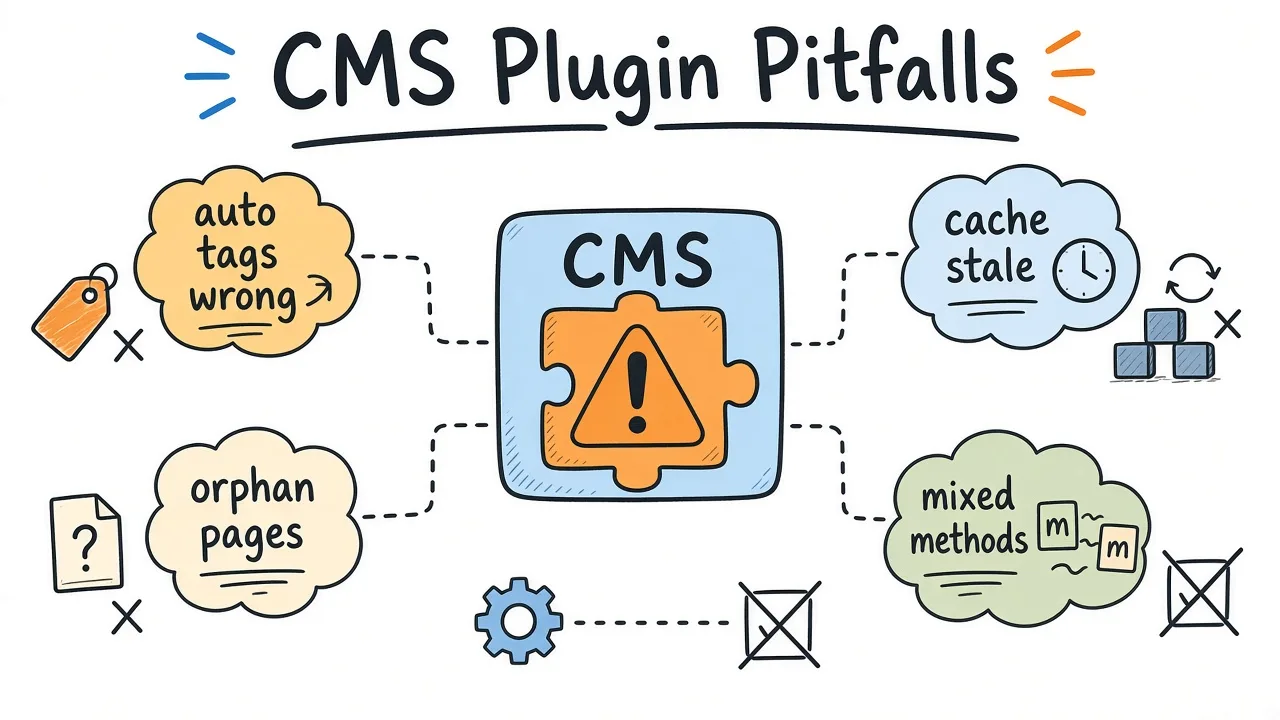
Figure 8: Themes, plugins, sitemaps, and CDN HTML can each emit a different alternate story.
Implementation path that survives release day
A durable rollout looks like this.
- Freeze the URL pattern and the list of locales that are commercially ready.
- Map equivalents in a spreadsheet or database. Every row is one content unit. Columns are locale URLs. Empty cells mean “no alternate yet” (omit from hreflang until filled).
- Choose HTML, HTTP, or sitemap as the source of truth for that template class.
- Generate self-referencing, reciprocal tags including
x-defaultwhere you have a deliberate fallback. - Align canonicals so each locale URL canonicalizes to itself when it should be indexed.
- Update language switchers so each locale links to its mapped equivalent instead of guessing the homepage.
- Submit or refresh sitemaps in Search Console for each property you manage.
- Crawl and diff after deploy. Fail the release if reciprocity or code validation fails on money templates.
- Monitor Search Console for hreflang issues and for unexpected country or language landing patterns in performance reports.
Google’s documentation for localized page versions is the normative reference for tag syntax and reciprocity. Third-party validators help, and the official rules still decide what Google accepts.
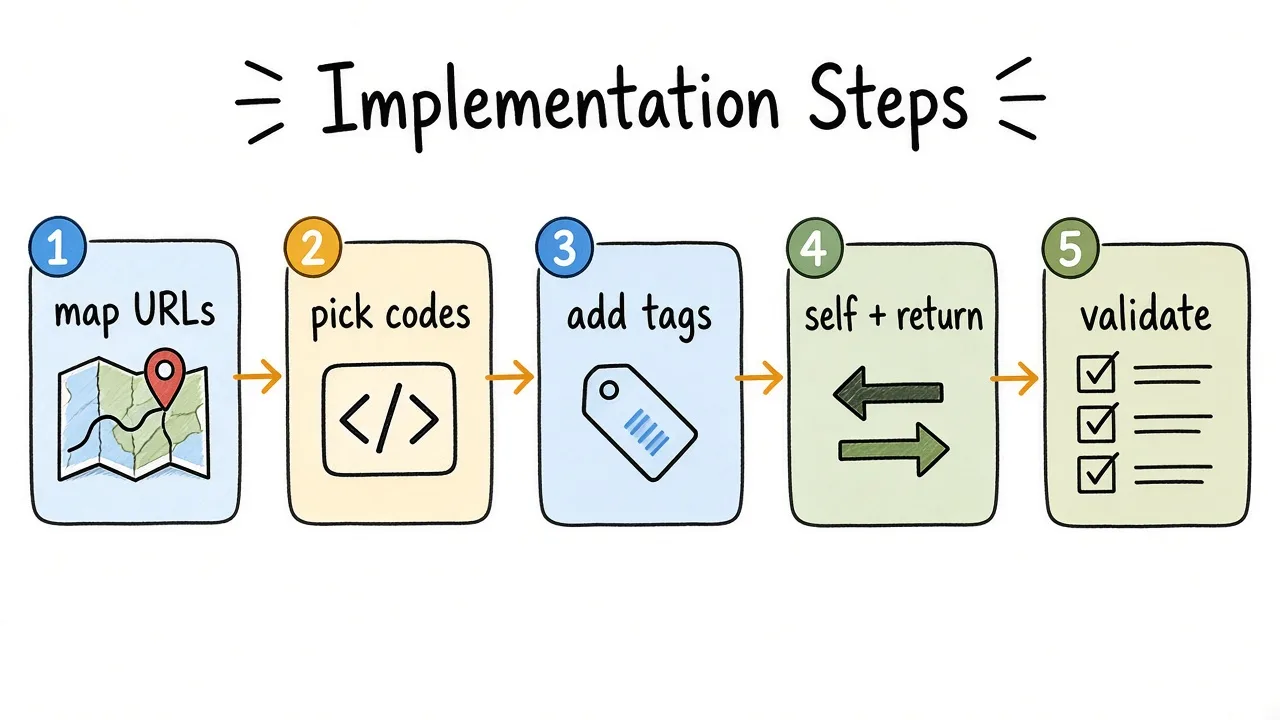
Figure 9: Map equivalents first, generate reciprocal tags, then validate with a crawl after deploy.
Worked scenario for a SaaS site adding German and French
Acme ships a B2B analytics product on https://www.acme.example/ with blog and pricing in English. Marketing wants German and French for EU expansion. Engineering prefers one domain. They choose subdirectories: /de/ and /fr/.
They do not translate every old blog tag archive. They localize homepage, pricing, product overview, docs entry points, and the twenty posts that still earn pipeline. Legal writes a EU-ready privacy addendum. Pricing shows EUR with VAT notes where required. Case studies swap in EU logos they actually have permission to use.
Equivalent map (simplified):
| Unit | en | de | fr |
|---|---|---|---|
| Home | / |
/de/ |
/fr/ |
| Pricing | /pricing/ |
/de/pricing/ |
/fr/pricing/ |
| Product | /product/ |
/de/product/ |
/fr/product/ |
Each of those six URLs (plus self) emits en, de, fr, and x-default pointing at the English home or a small region chooser they decide to keep indexable. Blog posts that only exist in English omit de/fr until translated. They never point German home at a French pricing URL.
Week one after launch, a crawl finds English pricing still missing the new alternates because the caching layer served an old head. They purge, re-crawl, and confirm reciprocity. Search Console stops reporting return-tag errors on those URLs after processing.
They measure success as German and French queries landing on /de/ and /fr/ money pages. Indexed URL count alone is a weak success metric here.
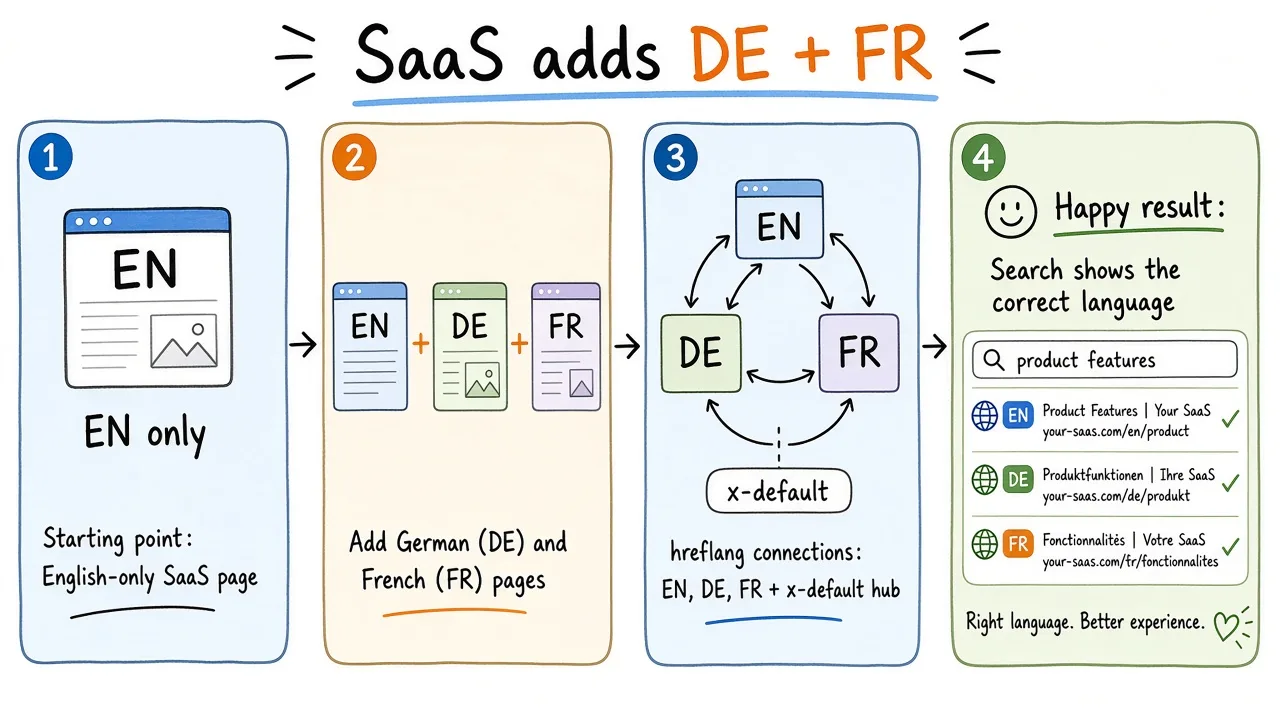
Figure 10: Acme maps a few complete equivalents, ships reciprocal tags, and skips thin archive translation.
Multilingual SEO checklist
Use this before you call the project done.
- One documented URL pattern (ccTLD, subdomain, or subdirectory) used consistently
- Only commercially ready locales are live and annotated
- Every annotated URL returns 200, is indexable, and self-canonicalizes when it should rank
- Hreflang codes match your language vs locale policy (
devsde-DE, and so on) - Full alternate set on each member page or sitemap row, including self-references
- Reciprocal confirmation across the set
-
x-defaultpoints at an intentional fallback - Language switcher links to real equivalents without spawning parameter duplicates
- Sitemaps list only canonical locale URLs you want crawled
- Thin translated filters, tags, and staging locales are out of the alternate map
- Post-deploy crawl validates tags on money templates
- Search Console properties and sitemaps updated for the hosts you manage
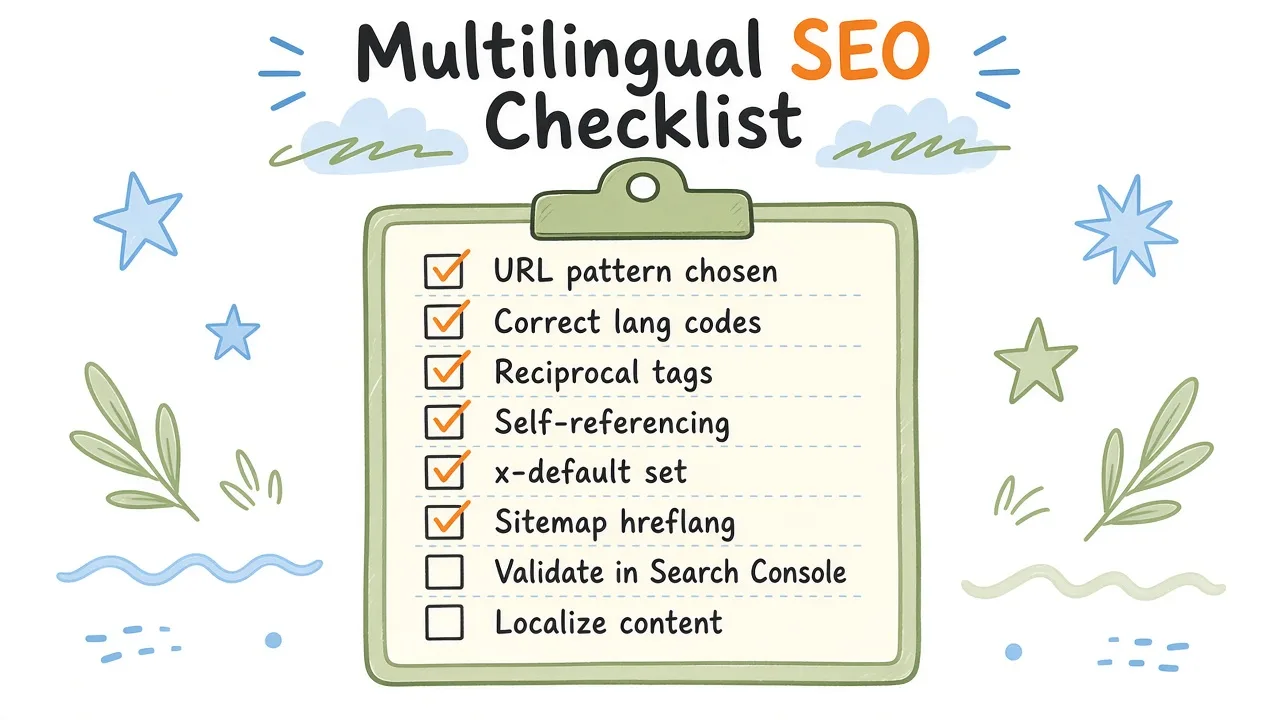
Figure 11: Launch readiness covers URLs, codes, reciprocity, indexability, and post-deploy validation.
Frequently asked questions
Do I need hreflang if I only have one language?
No. Hreflang is for alternate language or locale versions of the same content. A single-language site should focus on clean canonicals and crawl access. Adding decorative hreflang that points nowhere useful only creates monitoring noise.
Can hreflang fix duplicate content by itself?
It helps Google select the right alternate among valid versions. It does not replace canonical discipline, and it will not rehabilitate thin copied pages. Fix duplicates and quality first, then annotate the real equivalents.
Should every blog post exist in every language?
Only if you will maintain them. Partial coverage is fine. Annotate the languages that exist for that unit and leave the rest off the alternate list until they ship.
Is a ccTLD always better for international SEO?
No. A ccTLD is a strong country signal and often a trust signal for local users, but it costs more to operate and splits authority unless you invest in each property. Many global brands do well with subdirectories plus correct hreflang. Choose from legal, hosting, and resourcing constraints rather than a rule of thumb from a forum thread.
Where should I put hreflang for a large catalog?
XML sitemaps scale better when you have tens of thousands of SKUs. Keep the sitemap entries synchronized with canonical product URLs. Spot-check HTML if your stack also prints head tags, and remove conflicts.
What is the difference between hreflang and a content-language meta tag?
Hreflang maps alternate URLs for languages and regions for Google Search. A content-language meta tag is not a substitute for that map. Follow Google’s localized versions mechanism for alternates.
Closing
Multilingual SEO holds together when URLs are stable, locales are real products, and hreflang is a reciprocal map of those URLs. The teams that struggle usually annotated first and localized later, or let a plugin emit tags no one revalidated after the third language launched.
If you are planning a locale rollout or cleaning an existing alternate map, you can reach me via the contact form.